

Crispiano and more
Ideally located, Crispiano is the perfect base for exploring the cultural heritage and breathtaking landscapes of beautiful Puglia. Discover the surrounding area and find the destinations that best suit your interests!
Crispiano - Land of the 100 Farmhouses
Crispiano is a village located halfway between the splendid scenery of the Itria Valley and Taranto, capital of Magna Graecia.

Crispiano, land of the 100 Farmhouses, is now recognised as a unique gem of Puglia, since there is no other area of such small size home to as many as one hundred masserie (fortified farmhouses), dating between 1400 and 1800 AD. Crispiano has very ancient origins going back to Greek times: indeed, a tomb assemblage was found here containing a diadem and a pair of earrings that are part of the Gold of Taranto collection, now held at the MArTA museum in Taranto. The "100 Farmhouses" project was launched with the aim of promoting this extraordinary heritage. Over the years, themed and personalised tourist routes have been created, with a particular focus on hospitality. In addition to offering quality accommodation, experiential activities have been introduced, such as workshops dedicated to olive oil, wine, milk, honey and wild herbs.

Places of historical interest

Cacace Tower
Est 1873
The Cacace Tower is undoubtedly the most significant symbol of Crispiano's history and identity. It was built by order of engineer Carlo Cacace by 1873 to house the mortal remains of his family members. The Tower, 30 metres high and octagonal in shape, occupies a strategic position offering views over the Gulf of Taranto.
Grotte del Vallone
XII century
The Vallone Caves form an intricate rock-hewn settlement that has certainly been inhabited since the 12th century. They cut the town in half and often served as a refuge for Basilian monks, who were persecuted by the Eastern emperors. Later on, they became the dwellings of farm labourers and the earliest inhabitants of Crispiano.
For over 30 years, the Vallone Caves have been the ideal setting for performances of the "Living Nativity Scene".


Church of S. Maria
XVI century
The Church of S. Maria, also known as the Church of S. Angelo but referred to by all locals as the "Chiesa Vecchia" (Old Church), dates back to the 16th century, although it was presumably built on the ruins of an earlier church. It is located in the centre of the medieval Casale of Crispiano. Built in Ionic-Romanesque style, the church became Crispiano's first parish. In recent years the Church has served various purposes, and today it houses the Infopoint of the Municipality of Crispiano.
Church of Madonna della Neve
1900
The Church of Madonna della Neve (or Chiesa Madre, meaning "Mother Church") was inaugurated on 11 November 1900 and lends its name to the square of the same name. The interior has three naves, with a dome and an apse; the main altar is made of white Carrara marble, and there are eight side altars, four on each side. The upper façade is in Doric style, while the lower one is in Ionic style.


Church of S. Francesco
Est 1894
The Church of San Francesco was built in 1894 at the wish of the citizens belonging to the Confraternity of the Immaculate Conception.
With an octagonal floor plan, it consists of a main altar and six side altars.

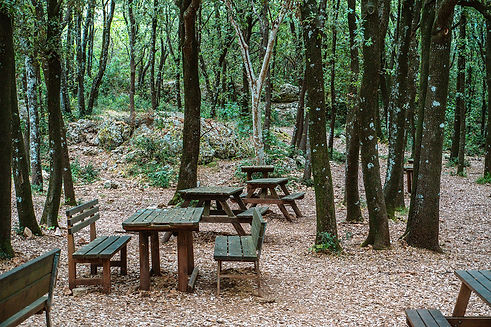
Pianelle Wood Nature Reserve
The Pianelle wood nature reserve marks the boundaries between Martina Franca, Massafra and Crispiano, extending mainly in a north-west/south-east direction and crossed by the SS 581 Martina-Massafra road. Considered by several experts to be Italy's third green lung, it is one of the few Apulian biotopes still perfectly preserved, featuring numerous karst formations, lush vegetation and diverse wildlife.

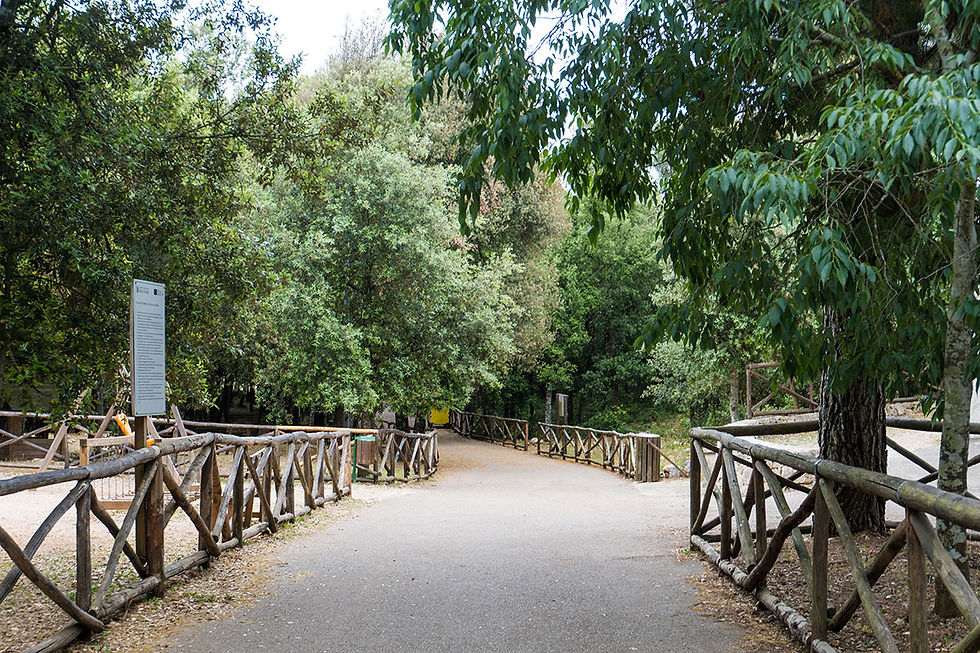

Things to do
near Crispiano...

Taranto
City of the Two Seas
Known as the "city of the two seas" for its location between the Mar Grande and the Mar Piccolo, Taranto holds countless secrets, all waiting to be discovered.
Martina Franca
Capital of Valle d’Itria
Located on the eastern hills of the Murgia, halfway between the Ionian Sea and the Adriatic, Martina Franca combines art and history dating back to the Neolithic period.
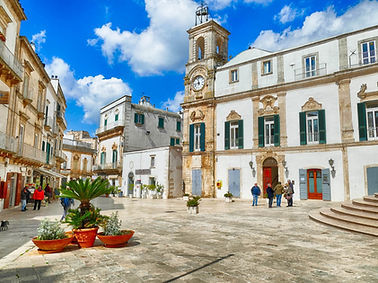

Grottaglie
City of Ceramic
Perched on a small hill just a few kilometres from Taranto lies Grottaglie, the "city of many caves".
Alberobello
City of the trulli
In the heart of the Murgia dei Trulli, there is Alberobello, a unique place recognized as a World Heritage Site by UNESCO since 1996.
